
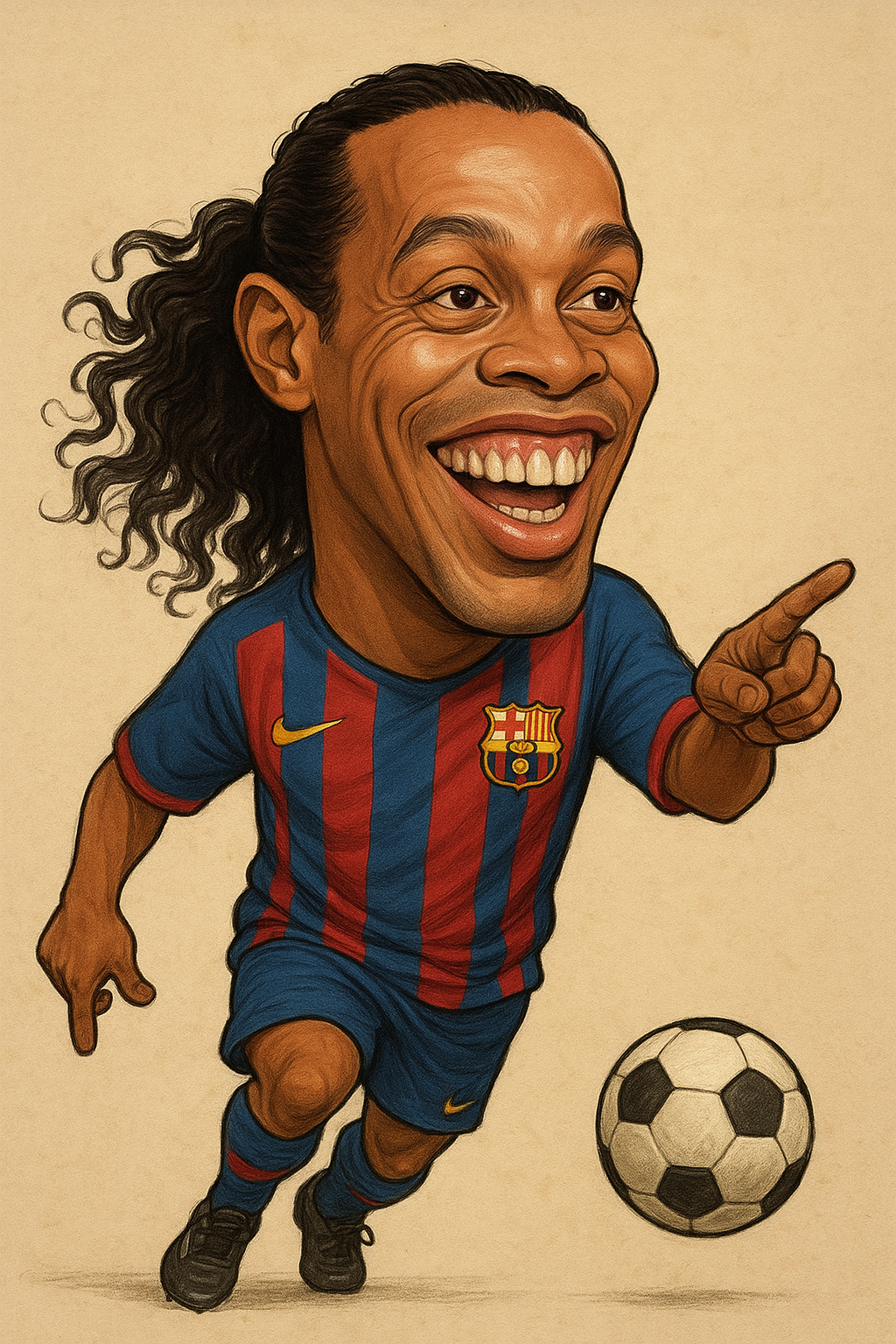
There are football players who win games — and there are those who change the way the world sees the game.
Ronaldinho Gaúcho was one of them. A smile on his face, hair flowing, and a ball that seemed glued to his feet — every time he stepped on the field, magic happened.
From Porto Alegre to the World
Ronaldo de Assis Moreira, born on March 21, 1980, in Porto Alegre, Brazil, grew up in a modest neighborhood filled with laughter, music, and football.
His father, João, had been a footballer himself, and from a young age Ronaldinho learned that football wasn’t just about winning — it was about expressing joy.
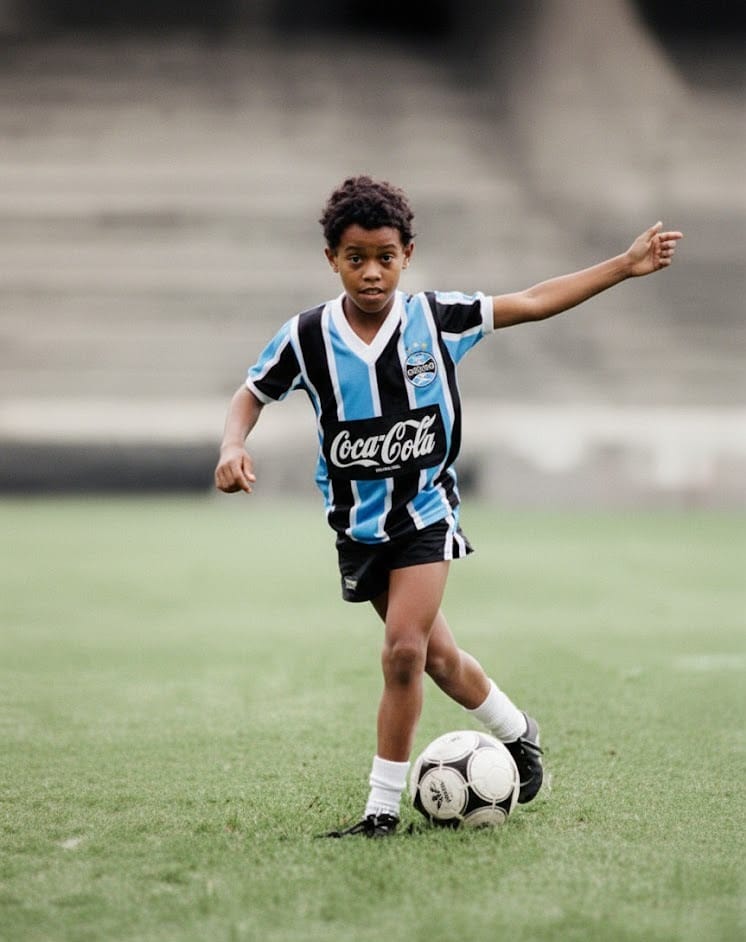
Ronaldinho started his journey in the youth academy of Grêmio, where his talent was impossible to ignore.
The Beginning: Grêmio’s Prodigy
Ronaldinho Gaúcho, as Grêmio fans called him, began his career at Grêmio Foot-Ball Porto Alegrense, in his hometown of Porto Alegre. His incredible talent quickly caught Brazil’s attention. He joined Grêmio’s youth academy as a child and soon stood out for his creativity and fearless dribbling. In 1998, he made his professional debut and became an instant sensation. His performances in the 1999 Campeonato Gaúcho and Copa Sul-Minas proved he was one of Brazil’s most exciting young players.
At Grêmio, Ronaldinho had his first taste of fame. He scored stunning goals and showed the joyful, unpredictable style that would define his career. One unforgettable moment came in a derby against Internacional, when he dribbled past defenders with ease and thrilled the crowd. His time at the club was short, ending with a move to Paris Saint-Germain in 2001, but Grêmio will always be remembered as the place where the world first saw the magic of Ronaldinho Gaúcho.
Paris and the Rise to Stardom
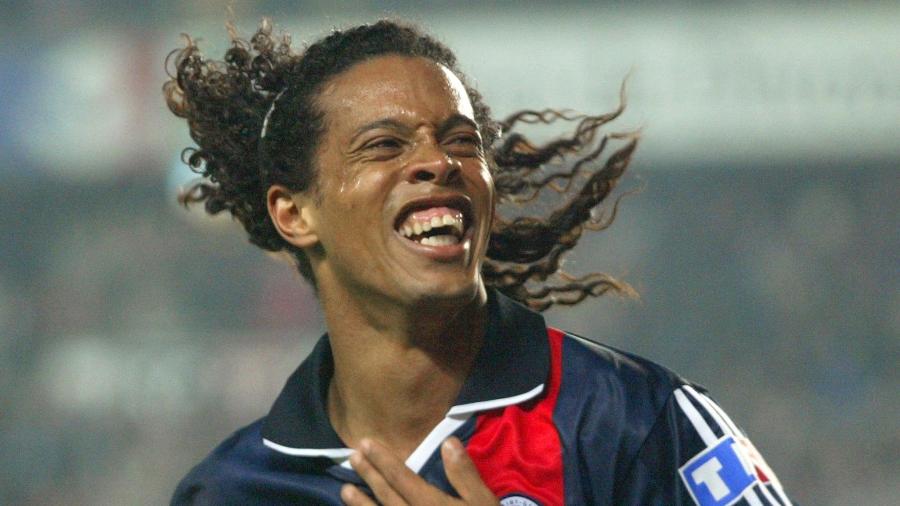
In 2001, Ronaldinho Gaúcho took his first step into European football by joining Paris Saint-Germain (PSG). Moving from Brazil to France at just 21 years old, he quickly became one of the most talked-about young players in Europe. At PSG, he brought his signature flair, dazzling dribbles, and free-flowing creativity to the French league, turning every match into a show. Although he sometimes clashed with coaches over discipline and training routines, his pure talent was undeniable — every time he touched the ball, something magical could happen.
Barcelona: The Beautiful Game at Its Peak
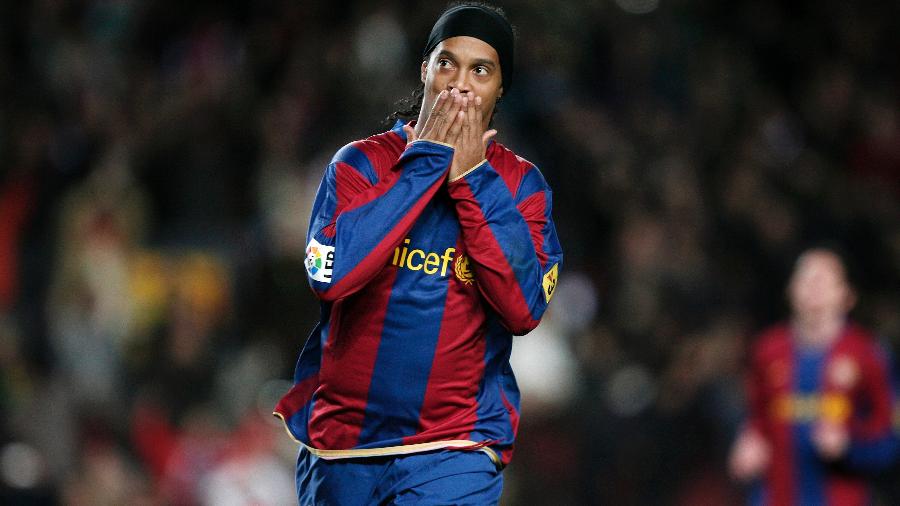
When Ronaldinho signed with FC Barcelona in 2003, the club was struggling — but that didn’t last long.
His presence transformed not only the team, but also the entire spirit of the Camp Nou.
Every dribble felt like art, every smile like a gift to football.
He led Barcelona to glory, winning La Liga, the UEFA Champions League, and the hearts of millions.
And in 2005, he was crowned Ballon d’Or winner and FIFA World Player of the Year for the second time.
It was also during this golden era that a young Lionel Messi made his debut.
“Ronaldinho was the one who made everything easier for me,” Messi later said. “He made me feel at home.”
Ronaldinho Gaúcho and His Golden Era with the Brazilian National Team
Ronnie was one of Brazil’s brightest stars in the early 2000s. It was a time when Brazil had some of the best players in football history. Known for his creativity and joyful style, Ronaldinho played with freedom and surprise. His dribbling and passing made him a key part of the team, working alongside great players like Ronaldo and Rivaldo.
In the 2002 FIFA World Cup in South Korea and Japan, Ronaldinho helped Brazil win its fifth world title. One of his most famous moments came against England in the quarter-finals. He scored a long-range free kick that flew over goalkeeper David Seaman — a goal remembered as one of the most iconic in World Cup history. His vision and skill also helped connect Brazil’s midfield and attack, creating space and chances for his teammates.
After the triumph in 2002, Ronaldinho continued to represent Brazil with passion and brilliance in competitions such as the 2005 Confederations Cup, where he was named the tournament’s best player, and the 2006 World Cup, where he carried the No. 10 shirt. Though that campaign ended earlier than expected, his legacy with the national team remains untouchable — a mix of art, joy, and pure Brazilian football that inspired millions around the world.
Later Years and Farewell
After his unforgettable Barcelona years, Ronaldinho continued his journey through AC Milan, Flamengo, Atlético Mineiro, Querétaro, and Fluminense.
No matter where he went, fans came to watch him not for trophies — but for the show.
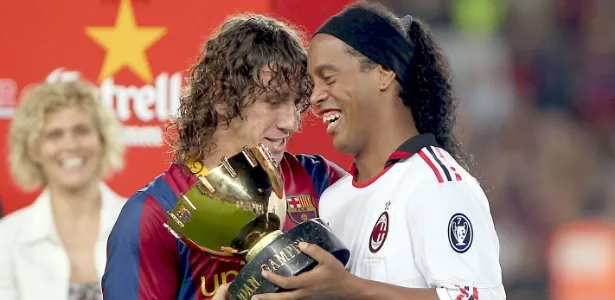
During his time at AC Milan, Ronaldinho Gaúcho received a heartfelt tribute from FC Barcelona, the club where he had reached the peak of his career. When Barcelona faced Milan in a friendly match, fans at the Camp Nou rose to their feet to give him a standing ovation, chanting his name and celebrating the magic he once brought to their team. The moment was filled with emotion — a reminder of the deep connection between Ronaldinho and the Barcelona supporters, who continued to see him not just as a former player, but as an eternal symbol of joy and creativity in football.
Ronaldinho and the Glory of the 2013 Copa Libertadores
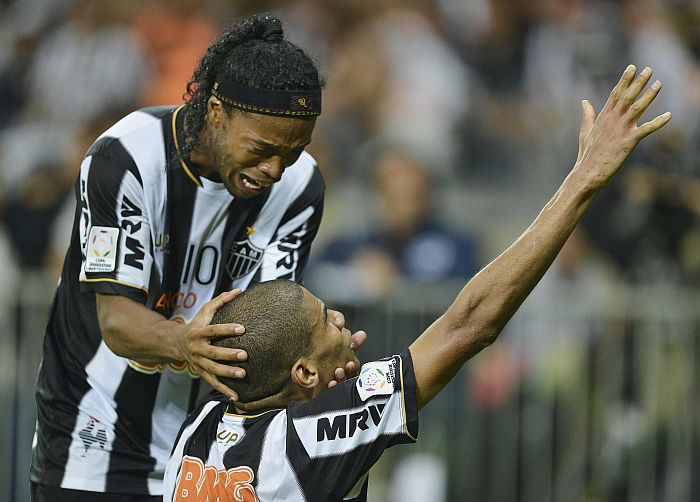
In 2013, Ronaldinho achieved one of the most emotional milestones of his career by leading Atlético Mineiro to their first-ever Copa Libertadores title. As the team’s captain and creative leader, he inspired a generation of fans with his vision, passes, and leadership both on and off the field. Playing alongside stars like Jô and Bernard, Ronaldinho guided “Galo” through dramatic matches — including unforgettable comebacks and penalty shootouts — culminating in a historic victory that united the entire city of Belo Horizonte. It was a crowning moment that proved his magic still burned brightly, even in the later stages of his career.
Legacy of a Magician
He officially retired in 2018, at 37 years old, closing one of football’s most joyful chapters.
- Over 700 professional matches
- More than 200 goals
- World Cup Champion (2002)
- Copa América Winner (1999)
- UEFA Champions League Winner (2006)
- Two-time FIFA World Player of the Year (2004, 2005)
- Copa Libertadores Winner (2013)
But beyond the numbers, Ronaldinho’s greatest gift was his joy.
He played every match as if it were a street game with friends — smiling, improvising, celebrating.
“He didn’t just play football. He made us love football again.”
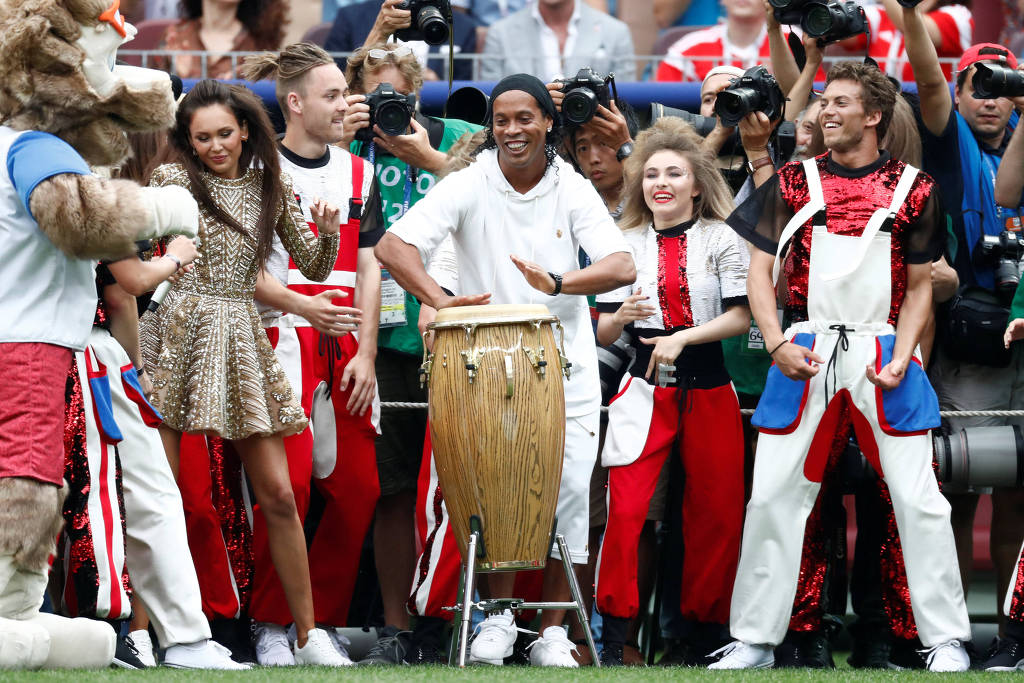
Even after retirement, Ronaldinho remains a symbol of creativity, freedom, and happiness — a reminder that the game is meant to be enjoyed. At the closing ceremony of the 2018 FIFA World Cup in Moscow, Ronaldinho brought his trademark joy and rhythm back to the global stage. The Brazilian legend surprised fans by performing alongside percussionists, playing a traditional Brazilian drum called the surdo. With his bright smile and infectious energy, he filled the Luzhniki Stadium with samba vibes, reminding the world why he remains one of football’s most beloved figures — a true symbol of creativity, passion, and happiness both on and off the field.
Discover More About the Magician of Football
Instagram: https://www.instagram.com/ronaldinho/
Statistics: https://ronaldinho-10.com/statistics/
Youtube: https://www.youtube.com/RonaldinhoGaucho
See more Legends at www.thelegacyplay.com
[…] Ronaldinho: The Legend Who Redefined the Beautiful Game […]