
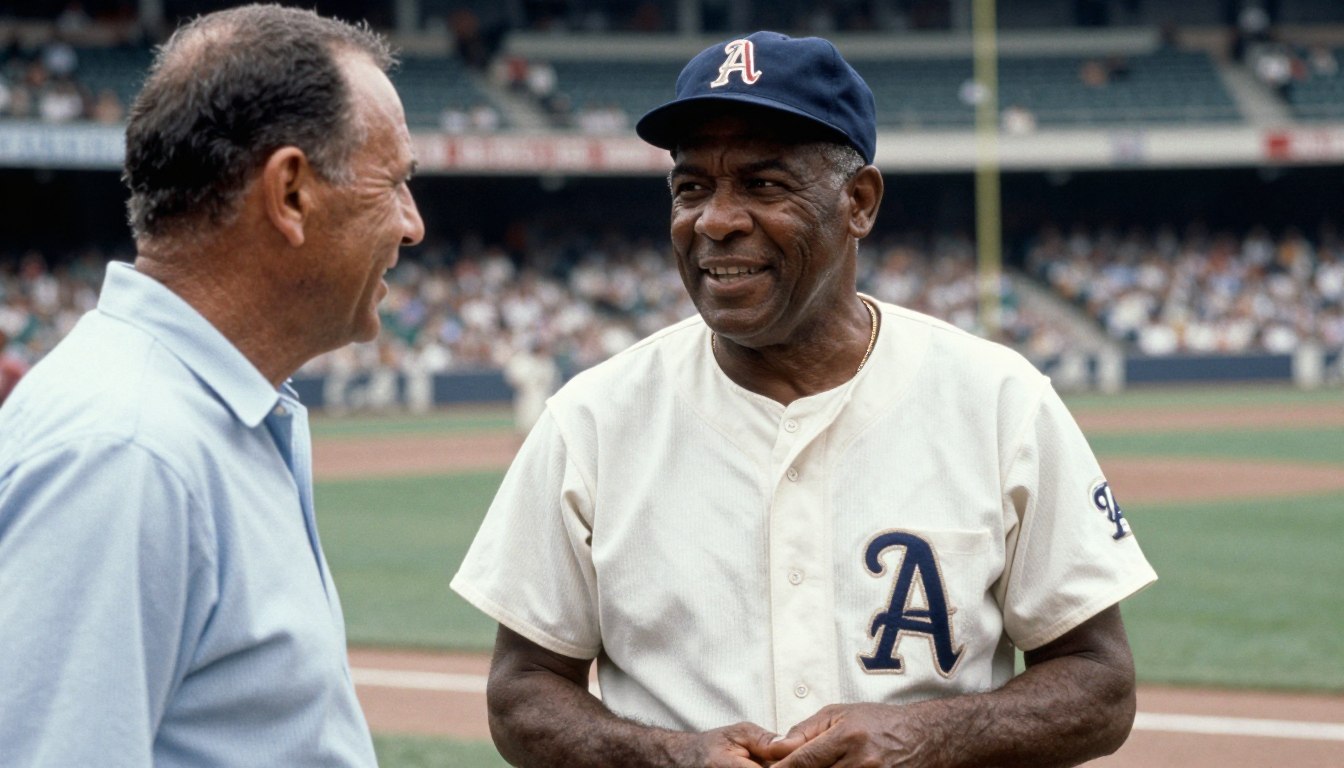
The holiday season of 1972 was a time for joy and family across the United States. For many, it was a period of celebration and peace.
This festive spirit was shattered by a devastating earthquake in Nicaragua. The tragedy demanded an urgent humanitarian response.
One man answered that call in a profound way. Roberto Clemente was a Puerto Rican superstar for the Pittsburgh Pirates. He was already a legend in the world of baseball.
Yet, his final actions would forever change how the world saw him. He chose to forgo his own family Christmas. His mission was to lead a massive relief effort for the victims.
Clemente’s deep love for his people in Puerto Rico and Latin America drove him. He worked tirelessly to ensure aid reached those in need. His integrity was absolute.
This commitment led to a fateful flight on New Year’s Eve. The plane crash that followed took his life. It also cemented his place in history.
The athlete became a different kind of hero. His story shows that true greatness is found in service to others. It is a powerful lesson for us today.
His legacy is not just about athletic records. It is about compassion, sacrifice, and making a real difference.
Key Takeaways
- Roberto Clemente was a baseball Hall of Famer who became a humanitarian icon.
- In December 1972, he organized aid for Nicaragua after a major earthquake.
- He sacrificed his holiday to personally ensure relief supplies were delivered.
- His death in a plane crash on December 31, 1972, was a global tragedy.
- Clemente’s final act redefined heroism, showing it’s about service, not just stats.
- His story continues to inspire people to act with compassion and integrity.
- He left a lasting legacy that transcends sports and touches human history.
The Devastating Quake That Interrupted a Holiday
In the quiet hours before dawn on December 23, 1972, the ground beneath Managua began to tremble violently. A massive earthquake, measuring 6.2 on the Richter scale, ripped through the heart of Nicaragua’s capital. The festive season was shattered in an instant.
This was not a distant news story. It was a real-time catastrophe unfolding nearly 1,500 miles from Puerto Rico. The quake’s epicenter was directly under the city, causing maximum damage.
December 23, 1972: A 6.2 Magnitude Earthquake Strikes Managua
The force was unimaginable. Buildings that had stood for generations collapsed into dust. Critical infrastructure like water and power lines was severed.
Streets were transformed into obstacle courses of rubble and twisted metal. In the blink of an eye, a modern city was plunged into primal chaos.
The Scale of Destruction: Thousands Dead and Homeless
The human cost was staggering. Thousands lost their lives in the initial collapse and subsequent aftershocks. The number of injured was far greater.
Hundreds of thousands of survivors found themselves with nowhere to go. They were rendered homeless during what should have been a week of celebration. The need for basic shelter, food, and medical relief was desperate and immediate.
One reporter described the scene as,
“a landscape of grief where holiday lights should have been.”
Search-and-rescue teams worked against the clock. The joyful anticipation of Christmas was replaced by the grim reality of survival. This tragic event marked a dark moment in the nation’s history.
News of the disaster traveled fast. It reached the United States and neighboring Caribbean islands. In Puerto Rico, a certain baseball superstar listened intently to the reports.
The sheer scale of suffering ignited a profound sense of duty. A distant crisis became a personal mission. This was the way a sporting legend would answer the call.
Roberto Clemente Christmas 1972 Legacy: A Story of Sacrifice
Just months before the disaster, the baseball superstar was in Nicaragua for a different reason. He was there to share his passion for the game during a world amateur tournament. This visit would forge a bond that made the subsequent crisis deeply personal.
From World Series MVP to Humanitarian Leader
The athlete had reached the summit of his profession. He was a World Series MVP and a celebrated figure in major league baseball. His career was defined by golden gloves and a flawless swing.
Yet, he viewed these achievements as a platform for something greater. He once shared a powerful belief that guided his life.
“Any time you have an opportunity to make a difference in this world and you don’t, then you are wasting your time on Earth.”
When news of the earthquake arrived, this philosophy demanded action. The player transformed into a hands-on organizer. His fame became a tool to mobilize resources and hope.
Why Nicaragua Held a Special Place in Clemente’s Heart
During that 1972 trip, he and his wife, Vera, connected with the nation’s soul. They walked the streets, not as distant celebrities, but as engaged visitors. He was drawn to the local children, talking with them and offering small gifts.
His empathy was profound and practical. He met a young boy who needed prosthetic legs. Without hesitation, the Puerto Rican star promised to fund the medical trip to the United States.
This promise showed his commitment to transformative help. For him, aid was about changing a person’s future, not just giving a handout. Nicaragua was no longer just a place on a map.
It was a country filled with friends and faces he cherished. The earthquake report felt like a call to help his own people. This personal bond made his response immediate and unwavering.
Choosing to lead the relief mission was a natural extension of his character. He saw a dire need and believed it was his duty to act. Sacrificing his own holiday plans was not a difficult calculation for such a man.
This deep connection also presented a fierce challenge. He knew aid had to reach the victims directly. Ensuring this integrity would become his final, and most defining, mission.
Who Was Roberto Clemente? More Than a Pirates Legend
Roberto Clemente’s identity was a tapestry woven from athletic brilliance, cultural pride, and profound humanity. To label him solely a baseball star is to see only one thread. He was a pioneer, a symbol, and a healer long before his final mission.
His life story reveals a man whose impact stretched far beyond the outfield grass. It shows a player who carried the weight of representation with grace. This depth of character made his ultimate sacrifice a natural extension of who he was.
The First Latin American Superstar and Hall of Famer
He shattered ceilings in major league baseball. As the first Latino global superstar, he inspired millions across the Caribbean and Latin America. His career was a monument to consistent excellence.
His trophy case tells a story of historic firsts:
- The first Latin American to win a World Series as a starting position player (1960).
- The first Latino to be named National League MVP (1966).
- The first Latino World Series MVP (1971).
- The first Latin American player elected to the Baseball Hall of Fame (1973).
These weren’t just personal awards. They were breakthroughs for an entire culture. Every line drive and diving catch carried the hopes of a people looking for a hero.
His induction into the Hall of Fame came just months after his death. The usual waiting period was waived—a testament to his immortal stature. He remains a foundational figure in the history of league baseball.
A Proud Puerto Rican Who Carried the Hopes of a People
Born in San Juan, his pride in being Puerto Rican was the core of his being. He never saw himself as just an individual athlete. He was a standard-bearer for his island and all Latinos in the United States.
This sense of duty was both an honor and a burden. He felt a deep responsibility to represent his people with dignity and strength. He once expressed this desire with poignant clarity.
“I want to be remembered as a ballplayer who gave all he had to give. I would like for the kids, the Puerto Rican kids especially, to say, ‘Hey, man, I want to be like Roberto Clemente.’ Just like the kids in the States want to be like Babe Ruth.”
He achieved that wish and so much more. For children in Puerto Rico and beyond, he was living proof that greatness was possible. He showed that you could reach the pinnacle of sport without losing your cultural soul.
As a father and family man, this value system was everything. He wanted his sons to understand where they came from. This pride fueled his every action, on and off the field.
The Artist, Musician, and Healer Behind the Uniform
The man in the Pittsburgh Pirates uniform was far more complex than box scores suggest. Away from the stadium lights, he was a creative and compassionate soul. His talents revealed a person deeply connected to beauty and human need.
In his home, his hands shaped clay into beautiful ceramics and lamps. The same hands that wielded a bat with precision crafted art. Music also provided solace; he would play the organ and harmonica to relax.
Perhaps most telling was his role as an unofficial community healer. People from his neighborhood would come to him with injuries. Using knowledge he gained about the body, he applied chiropractic techniques.
He helped many walk again without crutches. This drive to heal and fix was fundamental to his character. It was this same impulse that drew him to Nicaragua’s crisis.
His final humanitarian mission was the ultimate expression of this lifelong calling. The artist wanted to restore beauty. The healer wanted to mend broken bodies. The Puerto Rican hero wanted to save his extended family.
Roberto Clemente was, in the end, a complete human being. His career in Clemente baseball was just the platform. His true legacy is found in the fullness of his remarkable spirit.
A Career of Grace and Greatness on the Field
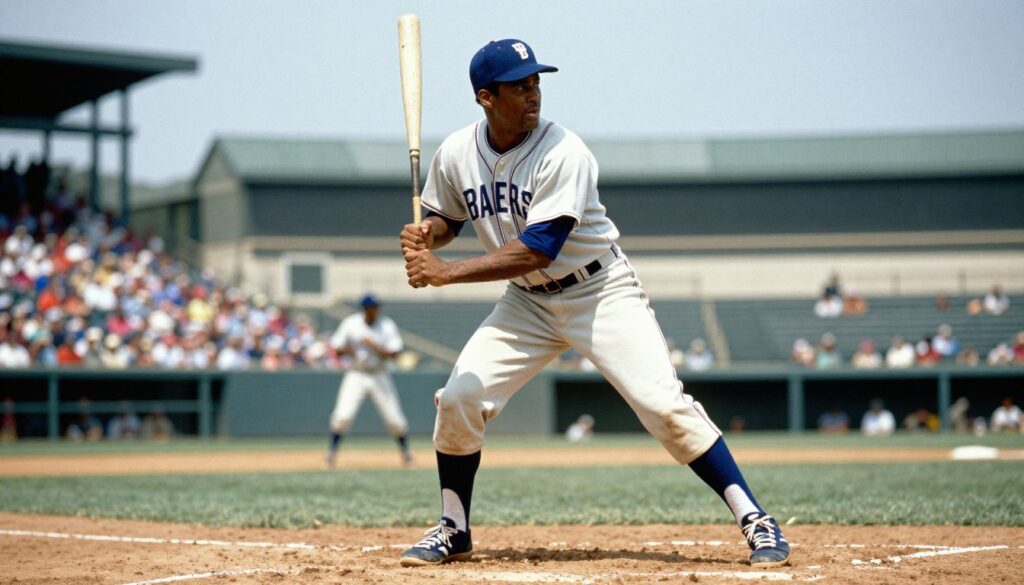
On the baseball diamond, Roberto Clemente moved with a fluid elegance that turned every play into a work of art. His career was a masterclass in all-around excellence, defined by staggering numbers and an unforgettable style. For 18 years, he was the heart of the Pittsburgh Pirates, captivating fans with a blend of power, precision, and pure grace.
3,000 Hits, 12 Gold Gloves, and an Unforgettable Style
The statistics are a testament to his sustained dominance. He finished with a lifetime batting average of .317 and collected 3,000 hits. He also won 12 consecutive Gold Glove Awards for his defensive wizardry in right field.
His playing style was pure poetry. He perfected a unique “basket catch,” snagging fly balls at his waist. This move looked effortless, like a dancer catching a falling leaf.
His arm was a legendary weapon. Runners learned not to test him. He could fire a strike from the deepest corner to home plate. At the plate, he used a bat so heavy teammates called it “half a tree.”
Modern players marvel at its weight. This combination of strength and style made him a complete player. He was selected to 15 All-Star games and led his team to two World Series titles.
“The Great One”: A Nickname Earned Through Excellence
Fellow athletes and broadcasters didn’t just call him by his name. They called him “The Great One.” This title was earned through consistent, clutch performance in every aspect of the game.
He could change the outcome with a single swing, a breathtaking throw, or a diving catch. The nickname reflected a universal respect for his all-around genius. It acknowledged that he was in a class of his own.
His excellence helped pave the way for future Latino stars in major league baseball. He played with a fiery pride that inspired his teammates and intimidated opponents. Every season, he was a force to be reckoned with.
His Final At-Bat: Securing a Milestone in 1972
The last regular season game of his life provided a perfect finale. On September 30, he stepped to the plate needing one more hit to reach 3,000. It is a magical number in the sport’s history.
He lined a sharp double into the gap. With that swing, he secured his 3,000th hit. Only a handful of players had ever done it. The milestone cemented his statistical legacy in league baseball.
There is a profound irony in this moment. His legendary career reached its peak just months before his tragic death. The achievement framed his baseball story as both magnificently complete and heartbreakingly short.
The same dedication he showed on the field—the precision, the focus, the relentless drive—defined his final mission. Roberto Clemente was a great baseball player because he was, first and foremost, a man of profound character.
The Call to Action: Clemente’s Personal Mission
The crackle of a ham radio in a quiet home in San Juan carried voices of desperation from a thousand miles away. For the island’s most famous son, the festive season vanished. It was replaced by a solemn duty.
He heard firsthand accounts of the suffering in Managua. The static-filled reports painted a picture of urgent need. This was not a distant news story he could ignore.
A deep connection to those people made the crisis personal. He felt a powerful responsibility to act. His status as a major league icon was now a tool for relief.
Listening to the Crisis on His Ham Radio
The radio was his direct line to the disaster. It bypassed official channels and polished news reports. Through the speakers, he connected with the real time anguish of a nation.
This unfiltered access fueled a fierce determination. He understood the scale of the tragedy in a visceral way. The holiday could wait; human need could not.
His bond with Nicaragua, forged months earlier, made every plea feel directed at him. The athlete transformed into a humanitarian. Listening was no longer enough.
Forging a Relief Committee: Leadership Beyond Baseball
Roberto Clemente moved with the speed and precision of a clutch play. He formed a formal relief committee within days. This was leadership that extended far beyond the baseball field.
He leveraged his fame as Puerto Rico‘s hero to mobilize an entire island. His approach was intensely hands-on. He made televised appeals, his earnest face convincing thousands to donate.
He then took his mission to the streets. The superstar went door-to-door in affluent neighborhoods. He personally asked for supplies and funds, making the cause impossible to refuse.
He organized volunteers and coordinated complex logistics. Trucks filled with food, medicine, and clothing began to gather. This was a personal crusade, not a publicity stunt.
His investment in the well-being of the Nicaraguan people was total. The effort would consume his final days, working straight through the holiday. He was building a bridge of hope, piece by piece.
This chapter in his history shows a man using his platform for profound good. Roberto Clemente answered the call not as a legend, but as a neighbor. His actions set a standard for what true service means.
A Christmas of Service, Not Celebration
In a season meant for rest and reunion, the baseball legend embarked on a grueling marathon of compassion. While others celebrated, he answered a higher calling. His way of honoring the holiday was through direct action.
The typical imagery of family feasts and gift-giving faded. It was replaced by the urgent reality of a humanitarian crisis. For the hero, there was no other choice.
Working Through Christmas Eve and Christmas Day
The athlete’s schedule defied all holiday norms. On December 24, 1972, he was not at home in San Juan with his wife and three young sons. He was at a collection center, sorting donated goods.
Christmas Day saw him conducting a baseball clinic. He used the game he loved as a tool for engagement. This was a fundraising event, not a day of rest.
He worked 14-hour days, organizing, packing, and traveling. The physical and emotional toll was immense. His commitment to speed was relentless.
Every hour saved meant lives potentially spared. This personal sacrifice became the ultimate testament to his selflessness. Precious family time was given for strangers in need.
Collecting Tons of Supplies Across Puerto Rico
His mission involved circling the entire island. He galvanized local communities from town to town. He ensured every corner of Puerto Rico could contribute to the relief effort.
The results of his labor were staggering. His committee raised over $150,000 in donations. They also collected 26 tons of food, clothes, and medicine.
This table breaks down the monumental achievement of that holiday week:
| Metric | Amount | Significance |
|---|---|---|
| Funds Raised | > $150,000 | A massive sum equivalent to over $1 million today, showing incredible public trust. |
| Supplies Collected | 26 tons | Enough to fill multiple cargo planes, providing essential aid for thousands. |
| Average Hours Worked Daily | 14 hours | A grueling pace maintained through the holiday, demonstrating total dedication. |
| Primary Method of Engagement | Baseball Clinics & Local Drives | Leveraging his fame and sport to inspire widespread generosity and participation. |
Every donated can of food and piece of clothing represented hope. These items were curated by the legend’s direct influence and passion. He connected with people on a personal level.
He showed that true leadership means getting your hands dirty. The people of his island responded to his authentic plea. Together, they built a mountain of goodwill.
Roberto Clemente blended his two worlds seamlessly. The baseball clinic was not just a sport. It was a community gathering point for a noble cause.
This period redefined what it means to be a hero. Service, not celebration, was his gift. It remains an inspiring chapter in history.
The Heartbreaking Report: Aid Falling into the Wrong Hands
The integrity of the entire mission faced its gravest threat not from nature, but from human greed. Just as tons of supplies were poised to deliver hope, a chilling message arrived. It revealed a betrayal that struck at the very heart of the effort.
The organizer learned that earlier shipments were not reaching their intended destination. Corrupt local officials and soldiers were intercepting the cargo. They were stealing food, medicine, and clothing meant for desperate survivors.
News of Corruption and Theft by Local Officials
This news sparked a deep fury in the athlete. He was a man who built his life on direct action and honesty. The theft felt like a personal violation of the trust he had placed in the process.
It also threatened to nullify the incredible generosity of thousands. Every donation from the island of Puerto Rico represented a personal sacrifice. The hard work of his relief committee was being undone by selfish acts.
The situation created a stark contrast between the mission’s goal and its grim reality. This table highlights the devastating gap:
| Aspect of the Mission | Intended Outcome | Corrupt Reality |
|---|---|---|
| Supply Chain | Direct delivery to victims in need. | Intercepted by officials for personal gain. |
| Community Trust | Strengthened bonds of international aid. | Broken by betrayal, risking future generosity. |
| Relief Efficiency | Rapid alleviation of suffering. | Critical delays leaving people without essentials. |
| Moral Foundation | Upholding dignity for donors and recipients. | Exploitation of vulnerability for profit. |
Clemente’s Uncompromising Stance on Integrity
Clemente was famous for standing against injustice throughout his career. He fought racism and demanded respect. This corruption was an intolerable extension of the same disregard for people.
His reaction was immediate and absolute. He declared that if the aid could not be guaranteed to reach the victims, he would personally guarantee it. The only way to ensure that was to accompany the next flight himself.
This decision marked the critical turning point in the story. The mission transformed from a logistical effort into a personal vow of protection. It was no longer about sending supplies; it was about delivering hope with his own hands.
His stance was about honoring the dignity of everyone involved. It respected both the donors who gave and the recipients who waited. This moral commitment set him on a new and determined path.
The man would not let the generosity of his people be stolen. Clemente’s next move would be his final act of service. It was a choice that would forever define his story.
“I Am Going With It”: The Fateful Decision
A simple, powerful statement would set the course for his final act: “I am going with it.” The words were a vow. They were his answer to the theft that threatened the entire mission.

For this man, sending aid was not enough. He needed to see it arrive. He felt a deep need to look survivors in the eye.
This was the only way to know the promise was kept. His conscience demanded nothing less. The people donating and the people waiting deserved that guarantee.
Ensuring the Delivery Personally
His reasoning went beyond logistics. It was about human connection and moral duty. He could not bear the thought of help being stolen again.
“I am going with it” meant he would be the bridge. He would personally escort the fourth shipment to Nicaragua. This hands-on approach defined his entire time as a leader.
The superstar from the major leagues became a cargo guardian. His state of mind was resolved and utterly selfless. Personal risk was a small price to pay for integrity.
Leasing the DC-7 Aircraft for a Final Flight
The practical step was to lease an aircraft. He needed to carry the massive 26-ton load of supplies. The chosen plane was a Douglas DC-7, an aging propeller-driven model.
Logistical pressures were immense. Everyone wanted the aid delivered before the New Year. In this rush, a critical mistake was made.
The plane was overloaded by 4,000 pounds. This excess weight strained an already vulnerable aircraft. Worse, the plane had been recently damaged.
This fact was unknown to Clemente and his team. The aircraft was potentially unreliable from the start. The tragic irony is profound.
His impeccable integrity led him to board a flight with serious issues. He was there to ensure safety for the aid, not considering his own. The scene was set for December 31.
New Year’s Eve 1972, a night for celebration, became a night of looming death. Clemente’s final decision was a testament to his character. It was also the turning point toward tragedy.
New Year’s Eve, 1972: The Flight That Never Arrived
As the world prepared to ring in 1973, a single aircraft taxied onto a runway in Puerto Rico, its cargo hold packed with hope. The final hours of December 31 were ticking away. For the man leading this mission, it was a moment of solemn resolve.
Earlier that day, he said a quiet goodbye to his wife, Vera, and their three young sons. He hugged them tightly, not knowing it would be the last time. His mind was fixed on ensuring the aid reached the people who needed it most.
An Overloaded and Mechanically Suspect Plane
The aircraft was a Douglas DC-7, an aging propeller-driven plane. It was leased in a hurry to carry 26 tons of relief supplies to Nicaragua. Investigators later found it was overloaded by thousands of pounds.
Worse, the plane had hidden mechanical problems. One of its engines had recently been damaged. This critical fact was unknown to the crew and the humanitarian leader on board.
The takeoff attempt from San Juan was a struggle from the start. The overloaded DC-7 strained to gain altitude. Then, one of its engines failed completely.
The table below shows the tragic gap between the flight’s noble purpose and its fatal reality:
| Aspect of the Flight | Intended Purpose | Tragic Reality |
|---|---|---|
| Payload | 26 tons of life-saving food, medicine, and clothing. | Overloaded by ~4,000 lbs, straining the aircraft’s limits. |
| Aircraft Condition | A reliable vehicle for a critical delivery. | Mechanically suspect with a recently damaged engine. |
| Mission Symbolism | A vessel of hope and direct humanitarian connection. | Became an instrument of death for its organizer. |
| Outcome | Successful aid delivery before the new year. | Catastrophic failure moments after takeoff. |
The Crash Off the Coast of Isla Verde
With its engine failing, the aircraft could not stay airborne. It plunged into the dark Atlantic waters just off the coast of Isla Verde. The crash site was within sight of the hero’s homeland.
All five souls aboard were lost. Despite an extensive search by the U.S. Navy and Coast Guard, Roberto Clemente‘s body was never recovered. This added a profound layer of mystery and sorrow.
Around the globe, celebrations for the new year eve continued. In Puerto Rico and across the baseball world, a devastating silence fell. The cruel paradox was complete.
The plane meant to deliver life-saving supplies caused the death of the very man who organized them. The crash was likely due to a combination of mechanical failure and overloading.
It was a preventable tragedy that underscored the desperate conditions of the mission. This moment marked the end of Roberto Clemente‘s physical life.
It also became the explosive beginning of his eternal legacy in history. His final way of serving others sealed his place as a different kind of legend.
A Nation’s Grief: The Search for a Hero
In the days following the crash, a family’s private hope became a nation’s shared anguish. The search for survivors was swift and massive. U.S. Navy and Coast Guard ships combed the Atlantic waters.
Their efforts yielded no sign of the man they sought. This lack of closure deepened the wound for everyone. An entire island held its breath, waiting for a miracle.
Vera Clemente and Their Sons Waiting at El Morro
His wife, Vera, brought their three young sons to the historic El Morro fortress. Roberto Jr., Luis, and Enrique stood with their mother. They stared at the sea for days, watching the waves.
They hoped against hope that their father would come home. The passage of time was agonizing. Each hour stretched the thin line between hope and despair.
The scene was heart-wrenching and profoundly symbolic. A family’s vigil was witnessed by a grieving public. The fortress, a symbol of defense, could not protect them from this loss.
Roberto Clemente Jr., just a child then, has spoken about that wait. The memory shaped his entire life and his own humanitarian path. He saw his father‘s commitment firsthand, even in his absence.
A Body Never Recovered, A Loss Deeply Felt
The fact that his body was never found added a unique layer to the sorrow. It left a physical void that made closure difficult. For many, it also etherealized his presence.
He became a lasting spirit watching over Puerto Rico. The collective mourning was immediate and deep. Flags flew at half-mast across the island.
A profound sense of loss gripped every barrio, from San Juan to San Antón. The people had lost their greatest hero. As one local said, “The whole island cried for our hero.”
Grief extended far beyond the Caribbean. In Pittsburgh, teammates and fans were shattered. Across major league baseball, opponents paused in respect.
The death of Roberto Clemente fused personal tragedy with national identity. It became a defining moment in history for his people. From raw grief, a powerful need to honor his memory began to grow.
The world started seeking ways to ensure Roberto Clemente would never be forgotten. His sacrifice demanded a legacy as enduring as his spirit.
Immediate Aftermath: A Sport and a World in Mourning
In the wake of tragedy, the institutions of the game moved swiftly to cement a legacy. Grief was met with a powerful wave of honor. The baseball world sought to ensure its hero would never be forgotten.
These actions were more than memorials. They were affirmations of the values he lived by. The sport aspired to represent the same integrity and service.
The Pirates Retire Number 21
The Pittsburgh Pirates made the first historic gesture. On April 6, 1973, before the home opener, they retired uniform number 21. It was the first number retired by the franchise.
No other Pirate would ever wear that digit again. It was forever his. The ceremony was emotional, held before a packed and silent crowd at Three Rivers Stadium.
Teammates and fans wept openly. The act made his presence permanent in the ballpark. It was a powerful statement from the team he gave his entire career to.
For 18 years, he was the heart of that club. Retiring the number ensured his spirit would watch over every future game. It was a fitting tribute from his baseball family.
Baseball Hall of Fame Waives Waiting Period
The National Baseball Hall of Fame took an unprecedented step. They waived the mandatory five-year waiting period for election. A special vote was held in March of 1973.
Roberto Clemente was elected posthumously. He became the first player from Latin America and the Caribbean to enter the baseball hall. His induction was held on August 6, 1973.
This decision changed the Hall’s rules forever. A new clause was created because of him. It allowed for the posthumous induction of players who had been dead for at least six months.
His plaque in Cooperstown captures his dual greatness. It highlights his 3,000 hits and 12 Gold Gloves. It also notes his “exceptional humanitarian service.”
The honor cemented his status as an immortal of the game. It showed that major league baseball valued character as much as statistics. The hall fame induction was a landmark moment for all Latino players.
The table below summarizes the swift and profound honors bestowed in 1973:
| Honor | Date | Significance |
|---|---|---|
| Number 21 Retired | April 6, 1973 | First number retired by the Pittsburgh Pirates, making it sacred within the franchise. |
| Hall of Fame Induction | August 6, 1973 | First Latin American elected; waiting period waived, leading to a permanent rule change. |
| Commissioner’s Award Renamed | 1973 Season | MLB renamed its annual award for sportsmanship and service the Roberto Clemente Award. |
| League-Wide Tributes | 1973 Regular Season | All major league baseball teams held moments of silence; players wore black armbands. |
Major League Baseball made another lasting move. The Commissioner’s Award was renamed the Roberto Clemente Award in 1973. It became the sport’s highest honor for community service.
This award cemented his ideals as an official part of the league baseball fabric. Each year, it honors a player who excels on and off the field.
Tributes poured in from every corner. Opposing teams held moments of silence during games. Players across both leagues wore black armbands throughout the 1973 season.
Fans created makeshift memorials at ballparks. The outpouring showed how deeply his death affected the entire sports landscape. These immediate honors bridged mourning and legacy-building.
The institutions acted quickly to teach his story to future generations. They ensured that his life’s values would define what it means to be a legend.
The Quote That Defines His Life: “Any Time You Have an Opportunity…”
He left behind a simple idea that continues to challenge and inspire the world. This idea is not a complex theory. It is a clear call to action that guided his every move.
The statement captures the essence of a life lived for others. It serves as a moral compass for anyone seeking purpose. His words remind us that our moments are precious.
Understanding Clemente’s Personal Philosophy
His most famous quote lays out a powerful worldview. It is a direct challenge to passivity and indifference.
“Any time you have an opportunity to make a difference in this world and you don’t do it, you are wasting your time on this earth.” (Roberto Clemente)
The quote’s power lies in its profound simplicity. It links personal purpose directly to service for others. Every moment becomes a potential turning point.
This belief was not just a nice saying. It was the engine of his entire life. He saw his platform in major league baseball as a tool for change.
His philosophy manifested in countless ways. He carried a fierce pride for his people and culture. He mentored younger players with patience and care.
He ran free baseball clinics for kids in his community. He also took a strong stand against racial discrimination. Each act was a deliberate choice to make a difference.
For this man, integrity meant his actions had to match his words. He lived his truths every single day. This consistency built a reputation of absolute trust.
From Words to Action: The Ultimate Sacrifice
His final mission to Nicaragua was the ultimate embodiment of his creed. He saw a clear and urgent opportunity to make a difference. The earthquake created a crisis he felt compelled to address.
Personal cost became irrelevant. His own holiday plans and safety were secondary. The quote demanded action, and he acted without hesitation.
This decision contrasts sharply with empty promises. He did not just speak about helping; he personally guaranteed delivery. His journey was the physical proof of his philosophy.
The athlete’s words have transcended sports history. They are now a mantra for humanitarian work and community service. Educators use the quote to teach about citizenship and empathy.
It encourages proactive compassion in a world that often looks away. The message resonates deeply today. It asks each of us to evaluate how we use our time.
Readers can apply this philosophy in their own lives. Look for small, local opportunities to help others. Use your unique skills and position to create positive change.
Making his legacy active means living with that same intentional spirit. The quote is the key to understanding his 1972 sacrifice. It was not an anomaly but the culmination of his life’s work.
Roberto Clemente’s words and deeds are forever intertwined. They offer a timeless blueprint for a meaningful life. His legacy is a challenge to us all: don’t waste your time.
The Roberto Clemente Award: Cementing a Legacy of Service
Within the world of professional sports, few honors carry the moral weight and historical significance of the Roberto Clemente Award. It stands as major league baseball‘s most profound tribute to character. This prize moves far beyond statistics and championships.
The award celebrates the essence of what it means to be a complete player. It honors those who use their platform for the greater good. This institutional legacy ensures a hero’s spirit guides the game forever.
Each year, the winner joins an exclusive group of humanitarian athletes. They embody the same selfless drive that defined a tragic mission. The clemente award turns inspiration into formal recognition.
From Commissioner’s Award to Baseball’s Highest Honor
The origin story of this honor is deeply rooted in loss. In 1973, major league baseball made a decisive move. They renamed the existing Commissioner’s Award to honor the fallen star.
This was not a simple name change. It was a declaration of values for the entire league baseball community. The criteria were reshaped to mirror the man’s own life.
The award now goes to the player who “best exemplifies the game of baseball, sportsmanship, community involvement and the individual’s contribution to his team.” These four pillars reflect a holistic view of excellence.
Winning requires impact both on and off the field. It formalizes the lesson that a player‘s greatest work can happen away from the stadium. This idea has become central to the sport’s identity.
Honoring Players Who Exemplify the Game On and Off the Field
The list of recipients reads like a who’s who of philanthropic athletes. It includes legends from every era of the game. Their community work spans the globe, inspired by one man’s final act.
Notable winners demonstrate the award’s prestigious scope:
- Players who have built schools and hospitals in underserved communities.
- Stars who have raised millions for disaster relief and medical research.
- Veterans who mentor youth and promote education for decades.
This award proves that clemente baseball is about more than hits and runs. It is about heart and service. The honorees continue a chain of goodwill started in 1972.
A key part of this ongoing tribute is Roberto Clemente Day. Held annually on September 15, it is a league-wide celebration. On this day, players across major league teams wear number 21.
This visual tribute educates new fans about a story that transcends batting titles. It connects today’s athletes with a historic standard of service. Clemente Day makes the legacy visible and active.
The award and the day work together to keep his memory alive. They ensure that each new season introduces his humanitarianism to a fresh audience. For many fans, this is how they first learn about his full story.
Considered one of MLB’s highest honors, the award reflects the elevated status he holds. It sits alongside MVP and Cy Young awards in prestige. Yet, it represents a completely different kind of achievement.
This institutional legacy ensures the spirit of that final mission influences players every single year. It transforms a personal sacrifice into a perpetual call to action. The Roberto Clemente Award is more than a trophy.
It is a living challenge to every athlete who steps onto the diamond. Greatness is measured by what you give, not just what you get. That is a legacy that truly endures.
How a Tragedy Redefined the Meaning of “Legend”
The word “legend” often conjures images of record-breaking athletes and championship trophies. For most of sports history, it has been tied to statistics and victories. A single event can sometimes shatter that narrow definition.
A tragic loss revealed a deeper, more enduring standard for greatness. It showed the world that true icons are measured by their impact on people. This shift in understanding changed how we remember heroes today.
From Baseball Statistics to a Legacy of Humanity
The athlete was already a legend on the diamond. His career included 3,000 hits and 12 Gold Gloves. He was a major league superstar and a baseball hall of famer.
His final mission transformed that legacy completely. He became a different kind of icon—a martyr for selfless service. The way he gave his life redefined what it means to be great.
Fans and poets now speak of his grace and kindness as much as his swing. Willie Perdomo’s poem “Clemente!” captures this spirit. It highlights his humanity above his athletic prowess.
This table contrasts the old and new definitions of a sports legend:
| Traditional Sports Legend | The Clemente Standard |
|---|---|
| Defined by stats (batting average, home runs). | Defined by impact (lives saved, communities served). |
| Measured in championships and awards. | Measured in sacrifice and moral courage. |
| Fame is for athletic skill alone. | Fame is a platform for humanitarian action. |
| Legacy lives in record books and halls of fame. | Legacy lives in schools, bridges, and hearts. |
| Inspiration is for aspiring players. | Inspiration is for anyone seeking to serve others. |
His story proves that numbers are not the only measure of a player. The tragedy of his death was the catalyst. It forced the world to see his greatness through a new lens.
An Inspiration for Generations Beyond Sports
Physical tributes bearing his name weave his legacy into the fabric of care. Across the United States and Puerto Rico, his spirit is present. These places serve as daily reminders of his values.
Notable tributes include:
- The Roberto Clemente Bridge in Pittsburgh.
- Roberto Clemente State Park in the Bronx.
- Dozens of schools and community centers named in his honor.
- The stadium in his hometown of San Juan.
For later generations of Latino players, he is a foundational model. They see in him a blueprint for using their platform. Many give back to their communities because he showed the way.
His influence extends far beyond the baseball field. In education, his story is taught as a lesson in ethical leadership. Civil rights activists cite his stand against discrimination.
Disaster relief groups use his example to inspire direct action. His philosophy resonates powerfully during times of crisis. It encourages people to step up and help.
The perpetual relevance of his story is his true legend. Today, when challenges arise, his call to service echoes. He remains a guiding light for global citizenship.
The tragedy did not create his character. It revealed it fully to the world. His life and death together set a new standard for heroism.
We now measure legends by their humanity, not just their trophies. That is the enduring gift of his story.
Conclusion: The Unforgettable Legacy of Roberto Clemente
The true measure of a hero is not found in trophies, but in the lives they change. Roberto Clemente‘s journey from Carolina, Puerto Rico to major league baseball stardom was extraordinary. His final mission of mercy became the defining chapter.
That legacy lives on today. It shines in the award that bears his name and the baseball hall plaque honoring his service. His famous words challenge people not to waste their time on earth.
We feel the pain of his loss, but the hope he gave is stronger. It guides us in dark times. Each of us can honor him by making a difference in our own communities.
He is truly unforgettable. The real number that matters is not his 3,000th hit, but the countless hearts he inspired. His story of sacrifice and love continues to resonate, teaching us what it means to be great.
FAQ
Why was helping Nicaragua so important to him?
What happened to the relief supplies before the final flight?
How is his spirit of giving honored in Major League Baseball today?
What made his final game at-bat so historic?
Why is he considered more than just a sports icon?
The Legacy Continues
Explore More Icons:
- The Unbeatable Mind: Tom Brady’s 7 Strategies to Dominate Any Challenge – Discover how the offensive GOAT mastered the game that LT once revolutionized.
- Michael Jordan: The Untold Secrets Behind His Unstoppable Legacy – If you enjoyed LT’s dominance, see how MJ brought that same “killer instinct” to the court.
Deep Dive & Multimedia:
- Learn more about Roberto Clemente’s legendary career at the National Baseball Hall of Fame.
- Explore the full story behind Clemente’s final humanitarian mission.