
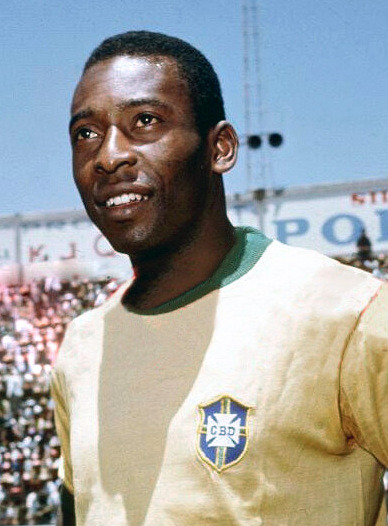
Most sports fans know the famous statistic about this soccer legend scoring over 1,000 career goals. But these numbers only tell part of the story.
The true greatness of Edson Arantes do Nascimento extends far beyond the pitch. He transformed football into a platform for cultural change and political influence.
Pelé became a symbol of Brazilian identity during challenging political times. His skill and charisma projected a positive image of Brazil to the world.
As a global ambassador, he helped popularize soccer in the United States and beyond. His influence reached into art, business, and international diplomacy.
This exploration reveals how his cultural and political legacy ultimately outshines even his remarkable athletic achievements.
Key Takeaways
- Pelé’s impact extends far beyond his famous 1,000 goals statistic
- He used football as a platform for cultural and political influence
- The athlete became a symbol of Brazilian national identity
- His global ambassadorship helped popularize soccer worldwide
- His legacy includes significant influence in art and business
- Political and cultural contributions ultimately outweigh athletic statistics
- He transformed how athletes can influence society beyond sports
The Unifying Symbol of Brazil
While Pelé’s athletic achievements are legendary, his cultural impact on Brazil during turbulent political times reveals a deeper story. The brazilian football player became more than an athlete – he transformed into a national symbol that transcended political divisions.
Forging National Identity in a Divided Nation
Brazil in the 1960s faced significant social and political challenges. The military dictatorship created deep divisions across the country. During this period, Pelé emerged as a rare unifying force.
His appeal crossed economic, racial, and political lines. Rich and poor, left and right – all Brazilians could celebrate his achievements. This shared pride helped create a sense of common identity during difficult times.
The 1970 World Cup: A Triumph Beyond Sport
The 1970 World Cup victory stands as one of Pelé’s defining moments. As captain of the legendary Brazilian team, he led what many consider the greatest football team ever assembled.
This victory meant more than just another trophy. For a nation under military rule, it provided:
- A moment of pure national joy
- International recognition and prestige
- Proof of Brazilian excellence on world stage
- Temporary escape from political realities
The team’s beautiful style of play, with Pelé as its creative heart, became a source of immense national pride. This fifa world cup winner achievement remains etched in Brazilian memory as a golden moment of unity.
Pelé and the Military Dictatorship: Complicity or Passive Resistance?
Pelé’s relationship with Brazil’s military government remains a complex historical question. The regime quickly recognized his value as a propaganda tool.
They frequently associated themselves with his success, using his image to promote their vision of Brazil. Yet Pelé’s actual political stance remains ambiguous to this day.
The Delicate Balance of Sports and Politics
Pelé navigated the political landscape with careful precision. He rarely spoke out against the government, focusing instead on football and positive messages.
Some critics viewed this silence as complicity. Others saw it as strategic avoidance of political entanglement. His approach allowed him to maintain his role as a unifying figure without openly challenging the regime.
This balancing act reflects the difficult position athletes often face in authoritarian states. The brazilian football player maintained his focus on sport while inadvertently serving as a symbol that both united the people and served the government’s purposes.
Pelé’s legacy as a fifa world cup winner extends beyond trophies and records. His ability to unite a divided nation during challenging times remains one of his most significant contributions to Brazilian society.
Pelé: Global Ambassador of the Beautiful Game
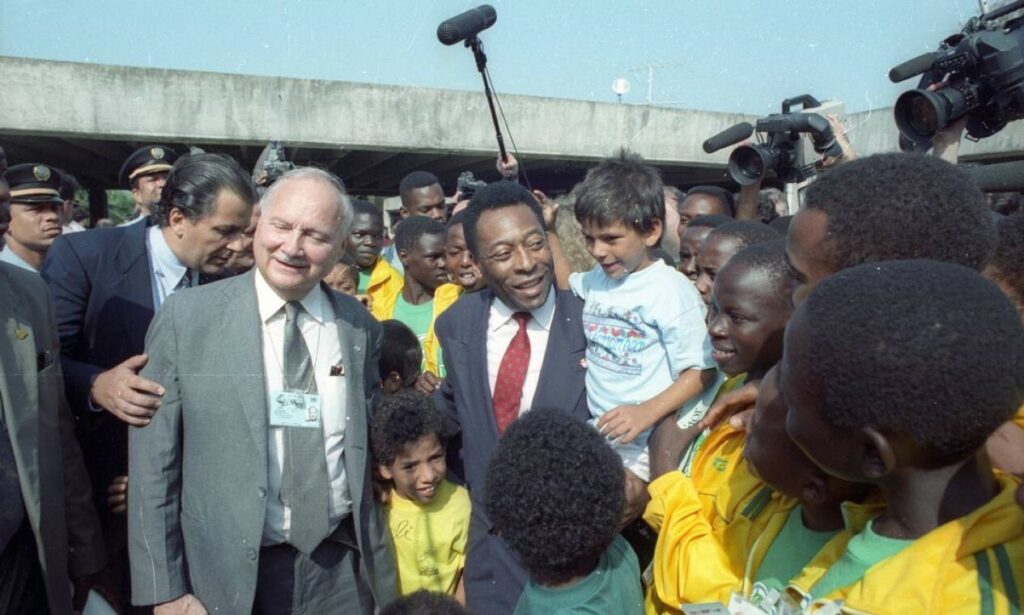
While Pelé’s impact on Brazilian football remained legendary, his vision extended far beyond national borders. The iconic athlete embarked on a deliberate mission to share soccer’s beauty with the world, transforming from national hero to global phenomenon.
The New York Cosmos and the American Soccer Revolution
Pelé’s move to the New York Cosmos in 1975 marked a turning point for American soccer. His arrival created immediate excitement, drawing record crowds and media attention to a sport previously overlooked in the United States.
The Brazilian superstar brought credibility to the North American Soccer League. Stadiums filled with fans eager to witness magic from the world’s most famous athlete. Television networks began broadcasting games, exposing millions to soccer’s beauty.
From NASL to MLS: Laying the Foundation
Pelé’s influence created lasting infrastructure for American soccer. His presence inspired youth participation rates to soar, planting seeds for future talent development.
The Cosmos era demonstrated soccer’s commercial potential in America. This proved crucial decades later when Major League Soccer launched. Many NASL veterans became MLS founders, coaches, and executives.
| Impact Area | NASL Era (1975-1984) | MLS Legacy |
|---|---|---|
| Average Attendance | Increased from 7,000 to 30,000+ | MLS averages 20,000+ per game |
| Youth Participation | 300% growth during Pelé’s years | Over 4 million youth players today |
| Media Coverage | First national TV contracts | Multi-network broadcasting deals |
| Stadium Development | First soccer-specific venues | 25 dedicated soccer stadiums |
Soccer Diplomacy and International Relations
Pelé understood sport’s power to bridge political divides. He became soccer’s first true global diplomat, using his status to promote peace and cultural exchange.
His efforts extended beyond entertainment. Pelé arranged a temporary truce during Nigeria’s civil war, allowing humanitarian aid to reach affected regions. World leaders welcomed him as both celebrity and statesman.
Bridging Nations Through Sport
The Brazilian icon maintained friendships across geopolitical lines. He connected with people in capitalist and communist nations alike, always promoting soccer’s unifying spirit.
Pelé’s diplomacy created lasting impressions worldwide. He showed how athletic excellence could transcend politics and create common ground between diverse cultures.
This global approach made him more than just an athlete. Pelé became soccer’s permanent ambassador, opening doors for international cooperation through sport.
The Cultural Archetype: Becoming “The King”
Pelé’s transformation from extraordinary athlete to cultural royalty represents one of sports’ most remarkable metamorphoses. His journey created the blueprint for modern athlete branding while establishing an eternal standard of excellence.
From Athlete to Global Brand
Long before athlete endorsements became commonplace, Pelé pioneered the concept of sports celebrity as business empire. His signature smile became as recognizable as his breathtaking goals, transforming him into marketing gold.
Major brands quickly recognized his universal appeal. Pelé endorsed everything from soda to sports equipment, setting the stage for today’s athlete entrepreneurs. His business acumen proved as sharp as his football instincts.
Film, Music, and Popular Culture Appearances
Pelé’s crossover into entertainment solidified his status as a true sports icon. His role in the 1981 film “Escape to Victory” alongside Sylvester Stallone brought football to mainstream American audiences.
Beyond cinema, Pelé recorded music albums and appeared on countless television shows worldwide. These appearances demonstrated his charismatic versatility beyond the pitch.
Jogo Bonito vs. Modern Pragmatism
The style Pelé perfected at Santos FC represented football’s most joyful expression. Jogo bonito—the beautiful game—emphasized creativity, spontaneity, and pure enjoyment.
This approach contrasted sharply with today’s often tactical, defense-first mentality. Modern football frequently prioritizes results over artistry, creating a more structured but less spectacular product.
The Enduring Legacy of Creative Football
Despite modern trends, Pelé’s creative philosophy continues influencing football today. Coaches still reference his Santos FC teams when teaching offensive creativity.
Current stars like Neymar and Messi embody aspects of his imaginative style. Their breathtaking moves echo Pelé’s belief that football should entertain as much as it competes.
The king’s legacy reminds us that football’s soul lives in those magical moments of unexpected brilliance—the very essence that made Pelé eternal.
Pioneer for Athletes of Color
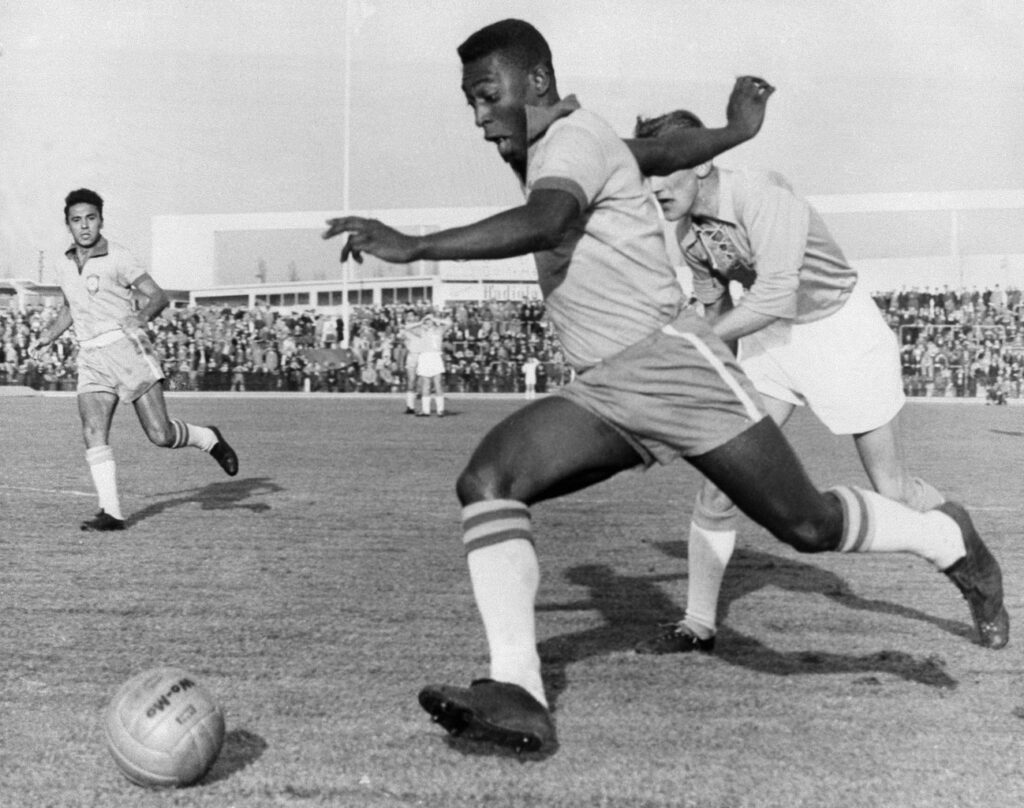
Pelé’s ascent to global stardom occurred during an era when Black athletes faced significant barriers to international recognition. His undeniable talent forced the world to acknowledge excellence regardless of skin color, making him one of the first Black sports figures to achieve truly worldwide fame.
Breaking Barriers as a Black Global Icon
In the 1950s and 1960s, racial discrimination remained widespread in sports and society. Pelé’s emergence as the greatest footballer of all time challenged stereotypes and opened doors for athletes of color everywhere.
His success demonstrated that Black athletes could become global superstars, not just regional talents. This breakthrough came at a time when many sports remained segregated or limited opportunities for non-white competitors.
Representation and Racial Progress in Sports
Pelé became a powerful symbol of racial progress through his athletic achievements. His visibility helped normalize Black excellence in international sports arenas.
Fans worldwide celebrated his skills without focusing on his race, which marked significant progress in racial perceptions. This representation mattered profoundly in Brazil and beyond, inspiring countless young athletes of color.
His success paved the way for greater diversity in football and other sports. Teams began seeking talent based on ability rather than ethnicity.
Inspiring Generations of Diverse Athletes
Pelé’s journey from humble beginnings to worldwide fame showed what was possible for athletes from underrepresented backgrounds. His story became a blueprint for success against odds.
Young players saw that talent and determination could overcome racial barriers. This inspiration crossed sporting boundaries, affecting multiple generations of diverse athletes.
The Path from Local Hero to Worldwide Symbol
Pelé’s transformation from a talented boy in Brazil to an international icon demonstrated the power of sports to transcend cultural and racial boundaries. His journey began in local clubs but quickly captured global attention.
This path showed that athletic excellence could make someone a symbol of hope and progress. Pelé became more than a footballer—he represented possibility for marginalized communities worldwide.
His legacy continues to inspire athletes from diverse backgrounds to pursue their dreams without limitations. The impact of his pioneering role remains visible in today’s more inclusive sporting world.
The Man Behind the Myth
Behind the global icon known as Pelé stood Edson Arantes do Nascimento – a man whose personal character proved as remarkable as his athletic achievements. While the world saw the flawless footballer, those who knew him best witnessed a person guided by unwavering principles and genuine warmth.
Personal Values and Public Persona
Pelé’s public image reflected his core beliefs: sportsmanship, optimism, and deep devotion to family and country. He carried himself with consistent dignity, whether meeting world leaders or signing autographs for young fans. His famous smile became more than a trademark – it represented his positive outlook on life.
Three key values shaped his approach to life and career:
- Respect for others regardless of their status or background
- Commitment to excellence in every endeavor
- Gratitude for his opportunities and abilities
These principles created a public persona that remained authentic throughout his life. People trusted Pelé because he never pretended to be someone he wasn’t.
Philanthropy and Social Contributions
Pelé’s generosity extended far beyond the football pitch. As a UNESCO Goodwill Ambassador, he championed education and social programs for underprivileged children worldwide. His foundation focused on sports programs for youth development, believing athletics could teach valuable life lessons.
His most significant contributions included:
- Advocating for children’s rights through UNICEF partnerships
- Establishing sports academies in disadvantaged communities
- Raising millions for charitable causes through celebrity matches
Pelé understood his platform could create real change. He used his fame to spotlight important social issues rather than personal gain.
Maintaining Humility Amid Global Fame
Despite becoming one of the most recognized people on Earth, Pelé never lost his grounding. He attributed his humility to his humble beginnings in Bauru, Brazil. Friends often remarked how he remained the same person whether speaking to presidents or neighborhood children.
His approach to fame included simple practices that kept him centered:
- Regular visits to his hometown throughout his life
- Maintaining childhood friendships despite his global status
- Always making time for fans, especially children
This consistent humility made Pelé universally beloved rather than merely admired. People felt connected to him because he never acted superior despite his extraordinary talents.
The Human Side of a Legend
Beyond the trophies and records, Pelé faced human challenges like anyone else. He experienced career setbacks, family joys and sorrows, and health struggles in his later years. These experiences made him relatable to ordinary people worldwide.
His human qualities included:
- A self-deprecating sense of humor about his own mistakes
- Openness about his fears and uncertainties
- Deep emotional connections with family and close friends
Pelé’s greatest legacy might be how he demonstrated that extraordinary talent and ordinary humanity can coexist. He showed the world that true greatness includes remaining recognizably human.
Pelé’s Enduring Influence on Modern Football
While Pelé’s cultural and social impact remains undeniable, his most direct legacy lives on through the beautiful game itself. The Brazilian soccer legend didn’t just play football—he reinvented it, pushing technical boundaries and establishing new standards that continue to shape how the sport is played today.
Technical Innovations and Playing Style
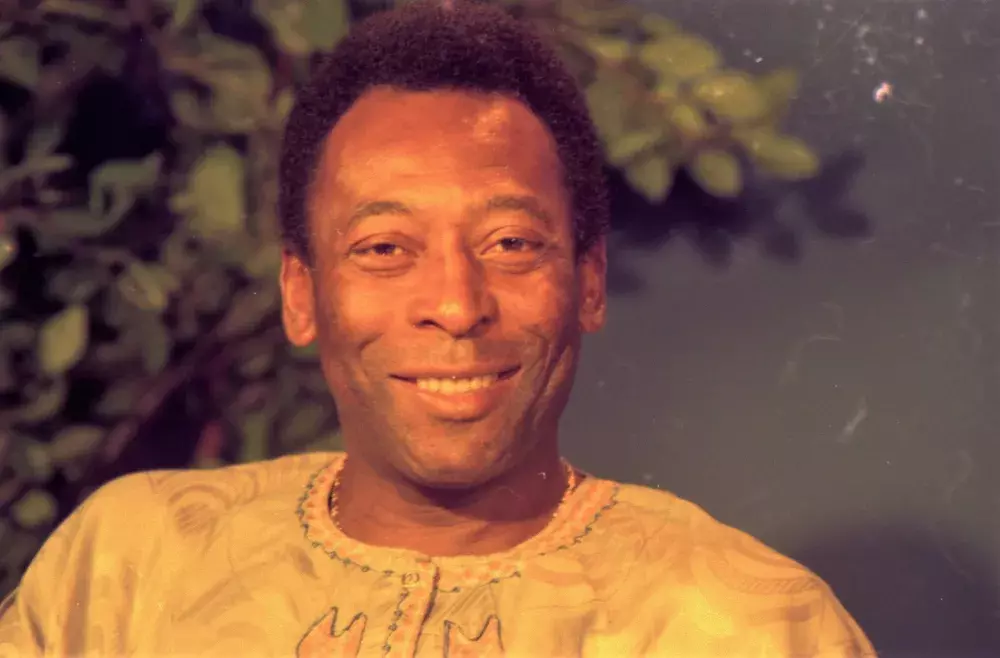
Pelé’s approach to football was revolutionary. He combined athleticism, creativity, and technical precision in ways never seen before. His style wasn’t just effective—it was artistic, making him the ultimate embodiment of jogo bonito.
Skills That Transformed the Game
Several specific skills set Pelé apart from his contemporaries and changed football forever:
- Aerial dominance: Despite his average height, Pelé revolutionized heading technique. His timing, leaping ability, and precision made him dangerous in the air.
- Blinding acceleration: His explosive speed with the ball at his feet created separation from defenders that seemed impossible.
- Inventive playmaking: Pelé saw passing lanes and opportunities that others missed, often creating goals from seemingly nothing.
- Powerful shooting: His ability to strike the ball with both power and accuracy from any position set new standards for finishing.
These innovations expanded what people believed was possible for a footballer. Pelé proved that technical mastery could coexist with physical dominance, creating the template for the modern complete attacker.
Mentoring Future Generations of Stars
Beyond his playing career, Pelé embraced his role as football’s elder statesman. He understood that his responsibility to the game extended beyond his own achievements.
The soccer legend became a mentor and inspiration to countless players who followed. His guidance helped shape careers and philosophies across generations of football greatness.
Passing the Torch to New Legends
Pelé’s influence on subsequent stars is both direct and philosophical. He maintained relationships with many of football’s greats who followed him:
- Diego Maradona: Despite their famous rivalry, Pelé recognized Maradona’s genius and their mutual respect grew over time
- Ronaldo Nazário: The original Ronaldo credited Pelé as his childhood inspiration and received direct guidance from him
- Lionel Messi: Pelé frequently praised Messi’s brilliance while encouraging his continued development
- Neymar: As Brazil’s modern superstar, Neymar represented the continuation of Pelé’s flashy, creative style
“I sometimes feel I was born for football, just as Beethoven was born for music.”
This mentorship wasn’t just about technical advice. Pelé emphasized the importance of joy in football, sportsmanship, and using one’s platform for positive change. His philosophy continues to influence how modern stars approach their careers both on and off the pitch.
The true measure of any soccer legend lies in their lasting impact. Pelé’s technical innovations became standard training exercises. His creative approach inspired generations of players to express themselves freely. And his mentorship ensured that the beautiful game would continue evolving while maintaining its soul.
Conclusion
Pelé’s story extends far beyond his remarkable 1,000 goals. His true legacy lies in how he transformed football into a vehicle for unity, inspiration, and social change. He became Brazil’s unifying symbol during political turmoil and represented the beautiful game globally.
As a cultural archetype, Pelé showed how an athlete could become a global brand while maintaining humility. His pioneering role for athletes of color broke barriers worldwide. His technical innovations continue to influence modern football.
Pelé remains the definitive sports icon whose impact transcends generations. His legacy lives on in every child who dreams of playing football and in every community that finds unity through sport. This enduring global sports icon forever changed how we perceive athletic excellence and its power to shape our world.
See more:
Pelé Foudation: https://www.pele10.org/
Pelé Instagram: https://www.instagram.com/pele/
Santos King Forever: https://www.santosfc.com.br/pele/
[…] Beyond 1,000 Goals: The Cultural and Political Legacy of Pelé […]